
Gluten Free Asian Inspired Noodle Soup Recipe

A few weeks ago our son, who is not known for his interest in cooking, came up to me and said, "I REALLY want noodle soup. Can we make some?" I realized that he just finished watching a Kung Fu Panda episode where Po has a dream about making Chinese noodle soup. Eager to encourage his culinary interest, we hit the pantry to see what we could come up with.
About half an hour later we were all enjoying darn respectable bowls of noodle soup! Totally gluten free and full of vegetables, too. This is a very flexible "recipe" (I put that in quotes because I think humanity has been making noodle soup since we discovered fire) that is perfect for a quick meal at home, and you don't need to visit an Asian market if you don't have one in your neighborhood.

Take off the heat and toss in a fist full of rice noodles (the Thai Kitchen brand is available in major supermarkets. Any thickness works.)
Stir in chopped up cabbage, carrots cut into ribbons with a peeler, and any veggies you like!
Add some chopped up garlic and a dash of Chinese Five Spice.
Allow to sit for 8 minutes until the noodles are soft, and enjoy!
This is "fast food" that I can get behind! Some great add-ins are shrimp, leftover cooked chicken, more veggies, tofu, bean sprouts... you name it! To keep it gluten free, avoid soy sauce and imitation crab, which contain wheat.
Enjoy!
-Debbie Chialtas
Insurance Based Medicine and the world of the ICD
There is a lot to be said about the ability to seek medical
care under the protection and financial aid of a medical insurance policy. In fact the cost of medicine has soared so
high in this country that it is very difficult to get help without such
support. But there is one unfortunate
part about it all that may actually be working to undermine the success of the
therapy and the overall well-being of the patient. In short I am talking about the ICD-9 code fee
structure which dictates how the doctor is paid and therefore how the patient
is treated.
So what is an ICD-9 code?
In short it is a diagnosis code.
For example I often bill insurance policies for neck pain which has the
ICD-9 code 723.1. They seem to like this
one and generally pay readily for this diagnosis. I find that other codes don’t work as well so
I end up limited by what diagnosis codes each insurance policy will pay
for. It puts the practitioner in a bind
if the patient comes in with a concern that does not fit nicely into the
insurance company’s idea of a covered medical condition. The patient may be suffering
nonetheless.
Now what we also need to understand is that these codes are
really just a numerical description of a set of symptoms and not the cause of
the problem. You may have neck pain, low
back pain, migraine headache, lower left quadrant abdominal pain, or anxiety to
name a few. But these are just the end
product of something at a more base level that created the problem. Let me put it this way… Let’s say a person comes in complaining of
migraine headaches. Acupuncture,
chiropractic, massage, prescription medications, etc. may just help the symptom
(ie. the pain) but what if that migraine is brought on by an unknown gluten
sensitivity reaction? Or what if it is
from a chemical sensitivity with a concurrent autoimmune condition? Or what if it is hormonal? What are the ICD-9 codes for looking into
this kind of thing? Is there a code for
a practitioner to run a predictive autoimmune antibody test or a gluten
sensitivity panel? Well no. These would
be considered medically unnecessary given the lack of association that the
mainstream puts on these types of conditions, and by the basic standard of care
that we receive in the medical clinics today. But what if these tests held the answer for
this patient? What if missing this
little tidbit of info led the patient to years or even a lifetime of medical
treatments to quell the symptoms?
Wouldn’t that end up costing more in the end and never really solve the
problem? Wouldn’t that potentially lead
to a continuation of suffering for the patient who pays good money to receive
help? Wouldn’t you think that the
patient would expect to have their problem fixed (not just moderated) if there
were ways to do so? Well I certainly do
and I personally expect nothing less than good medicine if I am paying for
services or suffering a medical concern.
I would hope that you agree.
I bring this up today just to shed a bit more light on our
medical experience. Most all of us are
completely unaware of how the system works. All we know if that we either have
insurance or we don’t! And those of us that
do are usually pretty discouraged to find that the coverage isn’t as good as
the several hundred dollars a month premium should probably be. The medical experience is one of the only
services that we consumers have no knowledge about cost before we buy! In fact the doctors and nurses don’t even
know the price. There is a billing
department for that and they generally don’t work with the public. It is therefore extremely difficult to know
before you buy what you are paying.
Where is the empowerment in that?
So take this little tidbit and go to your medical provider
understanding the situation. Understand
that the service you are receiving may just be dictated by what the insurance
company wants to consider “medically necessary.” Understand that the practitioner may not be
able to order the proper testing, or provide the proper service under these
circumstances. Understand that most all
of medicine is symptom based relief and very little is being done to address
the underlying cause. Do you really
always want to use your insurance for your health care? Insurance companies dominate the daily
business and practice of the medical provider.
And believe me when I tell you that it is usually not in the best
interest of the patient. Keep the
insurance for emergencies. That is what
it is there for. But honor yourself and
go to a practitioner who is able to order the tests needed and provide the
services required to fix your particular concern. Anything less is just not good medicine!
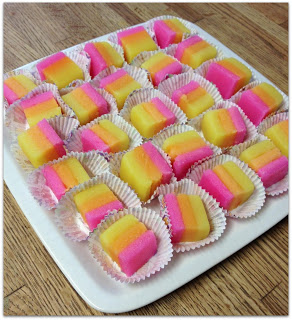
Gluten Free Rainbow Mochi Cake Recipe
Hi! This is Jim's wife, Debbie, again. :) Lately we have been going to potluck parties and there is always a need for gluten free items at potlucks! So many appetizers and sweets are wheat based. As a lover of color (you can see my blog here), I was really attracted to this recipe in one of our cookbooks. Not only is it pretty, but it's a nice simple sweet treat with a yummy, chewy texture. It's fun to play with different color combinations and mold shapes. More on that at the end of the recipe...

Rainbow Mochi Rice Cake
from The Gluten-Free Bible
1 cup rice flour
3/4 cup sugar
2/3 cup tapioca flour
pinch of salt
1 can unsweetened coconut milk
1/4 to 1/2 cup water
food coloring (liquid, gel, or paste all work fine)
1) Spray 8"x4" loaf pan or four 8 oz custard cups with nonstick cooking spray. Set up a steamer large enough to hold pan or cups over large saucepan of water.*
2) Combine sweet rice flour, sugar, tapioca flour, and salt in large bowl. Add coconut milk and whisk to combine. Whisk in water by tablespoons until batter is smooth and the consistency of heavy cream.
3) Divide batter into 3 or 4 medium bowls or measuring cups. Add different food coloring to each bowl and whisk to blend completely. Bring water in saucepan to a boil.
4) Pour one layer of colored batter into pan. Place in steamer, cover and reduce heat to a simmer. Steam about 8 minutes or until mochi is set in center. Carefully uncover steamer and gently touch center of mochi to test doneness.
5) Repeat with each color until all batter is used and set.
6) Remove and cool in fridge for about an hour (or chill in an ice bath if you're in a rush like I always am!). Loosen sides of mochi from pan and invert onto a serving dish. It is easiest to slice with a plastic knife.
*I used a loaf pan and 3 layers for mini cakes which are cut in 1" x 1/2" slices. The main photo is in ramekins which I sliced into wedges cake-style. For a steamer, I used a deep sauce pan with a lid and set my pan or ramekins directly onto the floor of the pan with about 2" deep water, and covered with the pan lid. Enjoy!!
Rainbow Mochi Rice Cake
from The Gluten-Free Bible
1 cup rice flour
3/4 cup sugar
2/3 cup tapioca flour
pinch of salt
1 can unsweetened coconut milk
1/4 to 1/2 cup water
food coloring (liquid, gel, or paste all work fine)
1) Spray 8"x4" loaf pan or four 8 oz custard cups with nonstick cooking spray. Set up a steamer large enough to hold pan or cups over large saucepan of water.*
2) Combine sweet rice flour, sugar, tapioca flour, and salt in large bowl. Add coconut milk and whisk to combine. Whisk in water by tablespoons until batter is smooth and the consistency of heavy cream.
3) Divide batter into 3 or 4 medium bowls or measuring cups. Add different food coloring to each bowl and whisk to blend completely. Bring water in saucepan to a boil.
4) Pour one layer of colored batter into pan. Place in steamer, cover and reduce heat to a simmer. Steam about 8 minutes or until mochi is set in center. Carefully uncover steamer and gently touch center of mochi to test doneness.
5) Repeat with each color until all batter is used and set.
6) Remove and cool in fridge for about an hour (or chill in an ice bath if you're in a rush like I always am!). Loosen sides of mochi from pan and invert onto a serving dish. It is easiest to slice with a plastic knife.
*I used a loaf pan and 3 layers for mini cakes which are cut in 1" x 1/2" slices. The main photo is in ramekins which I sliced into wedges cake-style. For a steamer, I used a deep sauce pan with a lid and set my pan or ramekins directly onto the floor of the pan with about 2" deep water, and covered with the pan lid. Enjoy!!
Delicious Gluten Free Pancakes
Hi! This is Debbie, Jim's wife. Since Jim learned he has Celiac Disease we have been experimenting with wheat flour substitutes, especially for breakfast. We LOVE Pamela's Biscuit Mix but it's quite expensive and I have always loved my scratch yogurt pancake recipe. Recently we have found that rice flour is really versatile and can be a great wheat flour replacement! So here's our pancake recipe that we all love and would never hesitate to serve any of our wheat loving friends. I appreciate the use of yogurt which adds a good dose of protein.

Delicious Gluten Free Pancakes
(The original recipe, using wheat flour, is from The Big Book of Recipes for Babies, Toddlers, and Children by Bridget Wardley and Judy More)
1 egg
3/4 cup plain yogurt
1/2 cup milk
1 Tablespoon vegetable oil (or whatever oil you like)
1 cup rice flour
1/2 tsp baking soda
Mix the liquid ingredients, then stir in the flour and baking soda. Cook in a griddle or pan as usual for pancakes.
Serves 2 or can be easily doubled. The above platter shows all the pancakes I made from a single batch. I love having leftovers and popping them in the toaster oven for a quick breakfast or snack. Enjoy!
Delicious Gluten Free Pancakes
(The original recipe, using wheat flour, is from The Big Book of Recipes for Babies, Toddlers, and Children by Bridget Wardley and Judy More)
1 egg
3/4 cup plain yogurt
1/2 cup milk
1 Tablespoon vegetable oil (or whatever oil you like)
1 cup rice flour
1/2 tsp baking soda
Mix the liquid ingredients, then stir in the flour and baking soda. Cook in a griddle or pan as usual for pancakes.
Serves 2 or can be easily doubled. The above platter shows all the pancakes I made from a single batch. I love having leftovers and popping them in the toaster oven for a quick breakfast or snack. Enjoy!
Are You Overweight? Or Mostly Just Inflamed?
By far one of the most common questions that I get is if I
can help with weight loss. It seems to
be something that most people want to do at some point in their lives, but also
something that people want to see happen quickly and without a great deal of
effort. Perhaps that is just human
nature. But what I see going on out
there is that people will tend to start down some particular path, usually
involving a gym membership or a fancy piece of equipment, only to lose faith in
their program after a month or so with very little to show for it in the end! It can be very frustrating and bad for moral
in general to fail time after time with something so important as one’s health
and/or positive self image. So what gives?
Why is it so tough sometimes to lose the weight and keep it off? Well besides the fact that being an American
already predisposes us to be overweight, I want to point out one potentially
significant obstacle here that many of you have probably never heard of before.
When considering weight loss there are many opinions
floating around out there. And not just
opinions, but well known medical concepts.
First, you have your calorie counters. They have been around a long time
and take themselves very seriously. They
know the calorie counts for every food imaginable and even have iPhone apps to
help them along the way. I don’t tend
like this mindset because there is just too much going on besides calorie in
calorie out to warrant such strict counting.
And I am sad to say that eating just one cookie which contains a few
hundred calories would require quite a lengthy jog to burn off. And that was just one cookie! It just does not seem like a realistic model
to me. But you also have the low fat
people, and the exercise people, and the oatmeal and grapefruit people, and the
pre-made meals in boxes people, and the who knows what else people. And then on the medical side you could be
doing everything right, but have a low thyroid condition or an undiagnosed
blood sugar condition. All of these
things can be something to consider as individual factors in weight loss
although in my opinion there are usually many of these spinning at the same
time. Focusing on one and losing sight
of the complicated web of disharmony associated with weight problems will lead
to failure every time. Just increasing
your physical activity and eating well may not work in some people who have some
of these underlying mechanisms that need fixing first.
But aside from all of those factors, there is one concept
that trumps all of them. This one thing will always precede these factors and
will in time lead to weight gain and many other serious health concerns. Simply put I am talking about
inflammation. And by inflammation I am
not talking about a sore ankle. Yes,
that is inflammation too, but systemic inflammation is a different beast
entirely. Basically what we are talking about here are little chemicals that
the immune system creates that are released into the blood and float around the
body wreaking havoc! There are many
different types of these little inflammatory chemicals (called cytokines) but
there are two that I want to detail for you here which have a role in weight
gain but also work to promote many terrible diseases.
There are two inflammatory cytokines called Interlukin 1
(IL-1) and Necrosis Factor Kappa Beta (NF-kB) which will actually promote the
production of each other. So once they
are activated they then feed forward and activate the other and so on and so
forth creating a viscous cycle that is very difficult to turn off. These cycles are started very often through
inflamed and irritated intestines found as a result of the very same foods that
get us fat in the first place! The
Standard American Diet (SAD) is extremely inflammatory to the stomach and
intestines and has the potential to lead to full blown systemic inflammation.
This is one reason we Americans suffer many of the highest rates of deadly
diseases on the planet, yet spend much more on healthcare than any other
country. It’s the food people! And yet people are yelling in the streets
about losing the precious Twinkie!
So what do IL-1 and NF-kB have to do with weight gain? I find this part to be quite
interesting… Both of these cytokines
have the ability to weaken the body’s Insulin Receptors (eventually leading to Insulin
Resistance and/or Type II Diabetes).
This in turn will make the body product more Triglycerides which is the
stored form of fat found in the fat cells.
When the body can’t use the sugars it has eaten either by this Insulin
Resistance concept, or simply by eating too much junk, it stores it as fat in
the form of Triglycerides. (These can
cheaply and easily be screened for on a basic blood test. They should be below
100 on a fasting blood test.) So here
you have an inflammatory influence telling the body to store fat which is
totally aside from diet and lifestyle! But
that is just the beginning. Here comes
the insult. These very same cytokines
also turn down the activity of an enzyme called Hormone Sensitive Lipase whose
job it is to break down stored Triglycerides from within the fat cells into
usable energy. So we have a scenario
where we are telling our bodies to store fat at the very same time as we are
stopping ourselves from burning it! You
can see the problem. And to make matters
worse… The more fat the more
inflammation!
So now you have an inflamed person (the average American by
the way) who has these viscous cycles going on and decides to exercise every
day to lose weight. In fact they plan to
run a 10K. They are 30 pounds overweight
and the running hurts to say the least!
This can lead to physical stress to the body causing more inflammation
and not only a continuation of the problem but oftentimes a stop to the
activity as well. Add to this the
possibility that they may have gluten or dairy sensitivities which are also
independently able to stimulate IL-1/NF-kB activity and are directly associated
with weight gain in many people. How
much weight can this person realistically lose under these circumstances? I don’t care what Jenny Craig puts in a
pre-packaged, frozen, calorie precise meal.
They are doing nothing to fix the underlying inflammation problem! Am I
saying to forget healthy diet and exercise?
Absolutely not. But I am saying
that without considering a few things first you may be doing it in the wrong
order and walking (or jogging) yourself into another failed attempt at weight
loss. That I am stating absolutely.
So there is no quick fix.
Weight loss isn’t easy. And it
should take a long time to accomplish!
Any program or miracle pill that produces quick results I am personally
afraid of. In fact losing weight too
quickly creates harmful, toxic and inflammatory consequences. So be careful! The first step in ANY weight loss program should
be finding and fixing the inflammatory roadblocks. Doing this will not only allow these
physiological mechanisms to correct themselves, but will give you more energy,
clarity of mind and efficiency in the long run to carry out your particular
program. Not to mention fat will be lost
more quickly and with less effort. How
is it done? Well there are only two
compounds currently known that have the ability to effectively shut down the
IL-1/NF-kB loop. These compounds are Curcumin, found in the spice Turmeric, and
Resveratrol commonly know as the beneficial compound in red wine. When used
together there is a powerful synergistic effect. But these must be taken in high dose. And at the same time other inflammatory
considerations must also be moderated such as a potential gluten sensitivity or
a blood sugar condition for example. So
that is where a good blood chemistry analysis can do wonders. And I would love to start helping find some
of these things for you. Just pick up
the phone and call and we can get started!
I have the products you should consider and the knowledge to work up a
blood chemistry report for you in wellness based terms. I will help you not only lose weight, but
begin a lifestyle of health and wellness which is the real answer to these
concerns. If we focus on the underlying
health the weight should naturally fall away.
But if we focus squarely on the symptom of weight gain and try to act on
it directly, failure is unfortunately often the result. Think holistically, wellness based, slow but
steady, and positive minded and allow me to be your guide.
If you have any questions or would like to schedule a consultation (you can be anywhere in the country), please email me, Jim Chialtas, at jchialtas@gmail.com. Thank you!